Eight Natural Remedies With Antifungal Properties for Healthier Stronger Nails

Updated: Dec 1, 2025
Nail fungal infections, medically known as onychomycosis, can be uncomfortable and embarrassing. Treatment requires patience and consistency, as it often takes several months for healthy nails to grow back. In this post, I will delve into eight remarkable herbs and natural oils that are backed by scientific studies and evidence, offering potential solutions for managing nail fungal infections.

1. Lemongrass
Lemongrass (Cymbopogon citratus) does more than add flavor to dishes; it can also work wonders against fungal infections. Research in the Journal of Medicinal Food demonstrated that lemongrass essential oil shows significant antifungal activity against various pathogens, including Candida species, which are responsible for nail infections. The compounds citral and geraniol target and disrupt fungal cell membranes, leading to their destruction.
To harness lemongrass's antifungal powers, mix a few drops of lemongrass oil with a carrier oil like coconut oil and apply it directly to the affected nails. For best results, use this remedy daily.
2. Guinea Hen Weed
Guinea hen weed (Petiveria alliacea), often referred to as anamu, has a longstanding reputation in traditional medicine for its antifungal benefits. A study published in the Journal of Ethnopharmacology confirmed its efficacy against a variety of fungal strains, making it a fierce ally against nail fungus. Its active components, including alkaloids and flavonoids, help combat these infections.
To use guinea hen weed, create a poultice by crushing fresh leaves and mixing them with a small amount of water. Apply the paste directly to the affected nails and leave it on for several hours. This method allows the beneficial compounds to penetrate the nail effectively.
3. Tea Tree Oil
Tea tree oil (Melaleuca alternifolia) is one of the most recognized natural remedies for nail fungal infections. An investigation in the Journal of Dermatological Treatment revealed that tea tree oil effectively combats dermatophytes, the fungi responsible for nail infections, due to its high concentration of terpinen-4-ol.
For treatment, mix tea tree oil with a carrier oil and apply it to the affected nails twice daily. Consistent use over several weeks can lead to visible improvements in nail appearance and overall health.
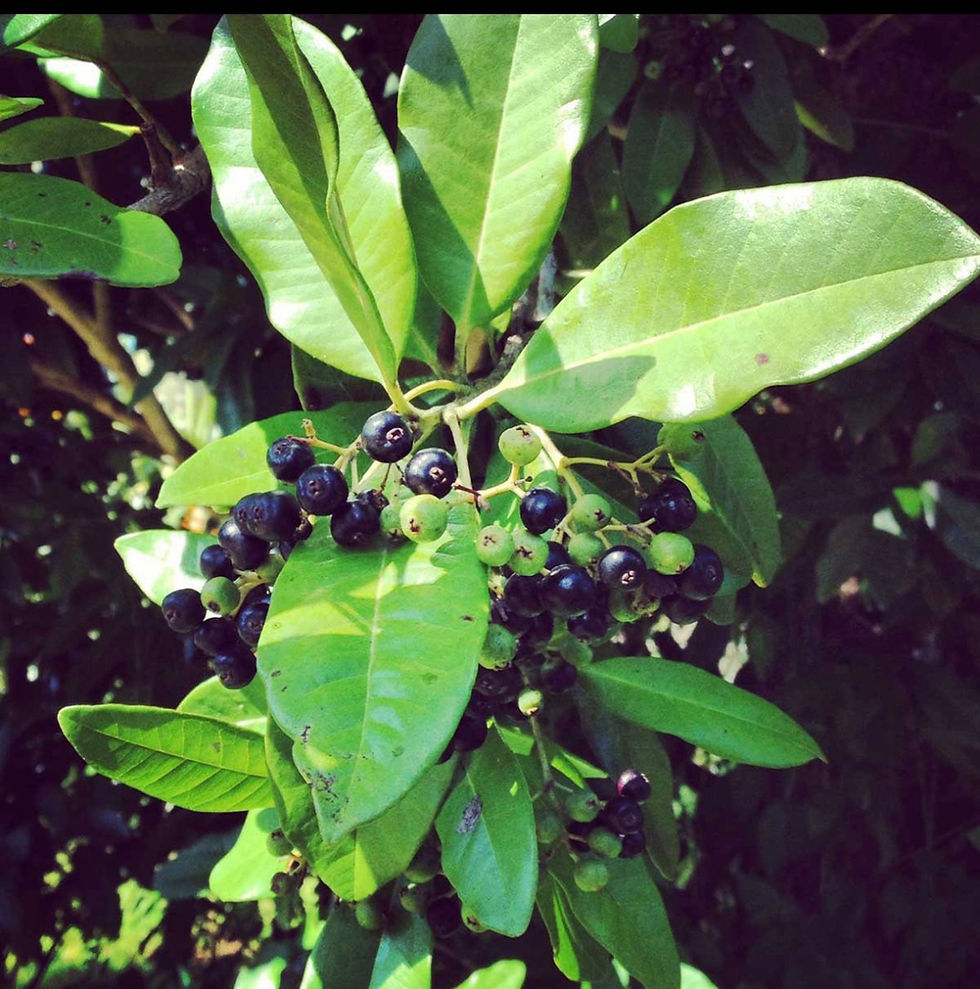
4. Jamaican Allspice

Jamaican allspice (Pimenta dioica) is not only a beloved spice but also a powerful antifungal agent. A study in the International Journal of Food Microbiology highlighted the strong antifungal properties of allspice essential oil against various fungal infections, including those affecting nails. Eugenol, one of its chief components, plays a major role in its effectiveness.
To harness its benefits, combine a few drops of allspice essential oil with a carrier oil and apply it to the infected area. Frequent application can help reduce fungal growth significantly and encourage the growth of healthier nails.
5. Garlic
Garlic (Allium sativum) is renowned for various health benefits, particularly its antifungal properties. Research in the Journal of Medical Microbiology showed that garlic extract can inhibit several fungal strains, thanks to the active compound allicin.
For maximum efficacy, crush a few garlic cloves and mix them with a carrier oil. Apply this mixture to the affected nails and cover with a bandage. Leave it on for a few hours or overnight to allow the potent compounds to work effectively.
6. Oregano Oil

Oregano oil (Origanum vulgare) boasts strong antifungal properties, making it another excellent natural remedy for nail fungal infections. A study in the Journal of Applied Microbiology demonstrated that oregano oil effectively inhibits fungal growth due to its high levels of carvacrol and thymol.
To use oregano oil, dilute it with a carrier oil and apply it to the affected areas. Regular application can significantly reduce infection rates and promote healthier nails over time.
7. Apple Cider Vinegar
Apple cider vinegar (ACV) is a common home remedy for various health issues, including fungal infections. Its acidic properties create an inhospitable environment for fungi. A study in the Journal of Clinical Microbiology highlighted the effectiveness of ACV in inhibiting the growth of multiple fungal strains.
To apply ACV, mix equal parts of apple cider vinegar and water, then soak the affected nails for 30 minutes daily. This simple yet effective remedy can gradually restore nail health.
8. Coconut Oil
Coconut oil (Cocos nucifera) serves as a potent moisturizer and antifungal agent. According to research published in the Journal of Medicinal Food, coconut oil can inhibit the growth of various fungal pathogens, including those that cause nail infections. Its medium-chain fatty acids, especially lauric acid, are essential to its antifungal action.
For application, simply layer coconut oil on the affected nails and surrounding skin. This remedy not only helps to combat the infection but also soothes irritation.
Understanding Nail Fungal Infections
Nail fungal infections can occur for various reasons. They often thrive in warm, moist environments, making certain conditions more favorable for their growth. Factors such as poor hygiene, wearing tight shoes, and having a weakened immune system can increase the risk of developing these infections.
It's essential to recognize the symptoms of nail fungal infections. Common signs include discoloration, thickening of the nail, and a foul odor. If you notice these symptoms, it's crucial to take action promptly.
Lifestyle Changes for Prevention
In addition to using natural remedies, making certain lifestyle changes can help prevent nail fungal infections. Here are some tips to consider:
Keep your nails dry: Fungi thrive in moist environments. After washing your hands or feet, dry them thoroughly.
Wear breathable footwear: Choose shoes made from materials that allow air circulation. Avoid tight-fitting shoes that trap moisture.
Practice good hygiene: Regularly trim your nails and keep them clean. Avoid sharing nail clippers or other personal grooming tools.
Use antifungal powders: If you're prone to fungal infections, consider using antifungal powders in your shoes.
Final Thoughts
Managing nail fungal infections can be challenging and often requires topical or oral pharmacological therapies for treatment. However, these eight herbs and oils contain natural antifungal properties that can be used to help you on your journey to healthier, stronger nails.
The information provided on this blog is intended for educational purposes only and should not be considered as medical advice. Always consult with a qualified healthcare provider before starting any new health or wellness program, including natural therapies. Individual results may vary, and the information presented here is not a substitute for professional medical advice, diagnosis, or treatment. If you have any concerns or questions about your health, please seek the guidance of your healthcare professional.
For additional insights on holistic health solutions, check out The Green Mahoe.


Comments